

The Lives We Write
Stories of Change, Second Chances, and Becoming
We’re all writing the stories of our own lives.
As a writer of historical fiction and women’s fiction, I’ve always found myself drawn to exploring questions of home, belonging, second chances, and reinvention.
I also love to explore all the layers, gray areas, and misperceptions that surround any experience. To capture the whole extent of the messiness of life so that my characters and their stories truly feel real. Here you’ll find insights into how I go about doing this and what inspires me.
You’ll also find insights into how I use my understanding of character and story as a reinvention coach for women so I can help transform my clients’ lives—and what it takes and what it means to create a purpose-fueled, intention-based life, one story, one page, one ordinary day at a time.

How I Found Summerland Cove
One of the first places I lived when I moved to Maine sixteen years ago from Minnesota after my divorce was a winter rental cottage perched on a hillside overlooking Biscay Pond in Damariscotta. I thought it was the perfect place to start my new, post-married life.
I moved in in December–and in March, when the snow suddenly melted, there was suddenly six inches of water flooding the bathroom floor.

SUMMERLAND COVE - THE STORY BEHIND THE BOOK
On a perfect July evening in the summer of 2024, I went for a walk around an oceanfront point lined with summer cottages near where I live in Midcoast Maine and spotted a big extended family (I was sure I saw three generations, from ages eight to eighty or so) gathered on the front porch of an old yellow cottage, talking and laughing and snacking. I knew the cottage sat empty for most of the year…

AUTHOR Q&A - THE HIDDEN LIFE OF CECILY LARSON
Where did you get the idea for this novel?
As a person who’s lived all my life in small towns, I started wondering whether it would be possible to keep a significant secret across a long lifetime, and then what the consequences would be once that secret came out.

THE HIDDEN LIFE OF CECILY LARSON - THE STORY BEHIND THE BOOK
Would it be possible to live for decades in a small town while keeping the secrets and stories of your past hidden? And what would happen once those secrets came out? THE HIDDEN LIFE OF CECILY LARSON began in my mind with these questions.
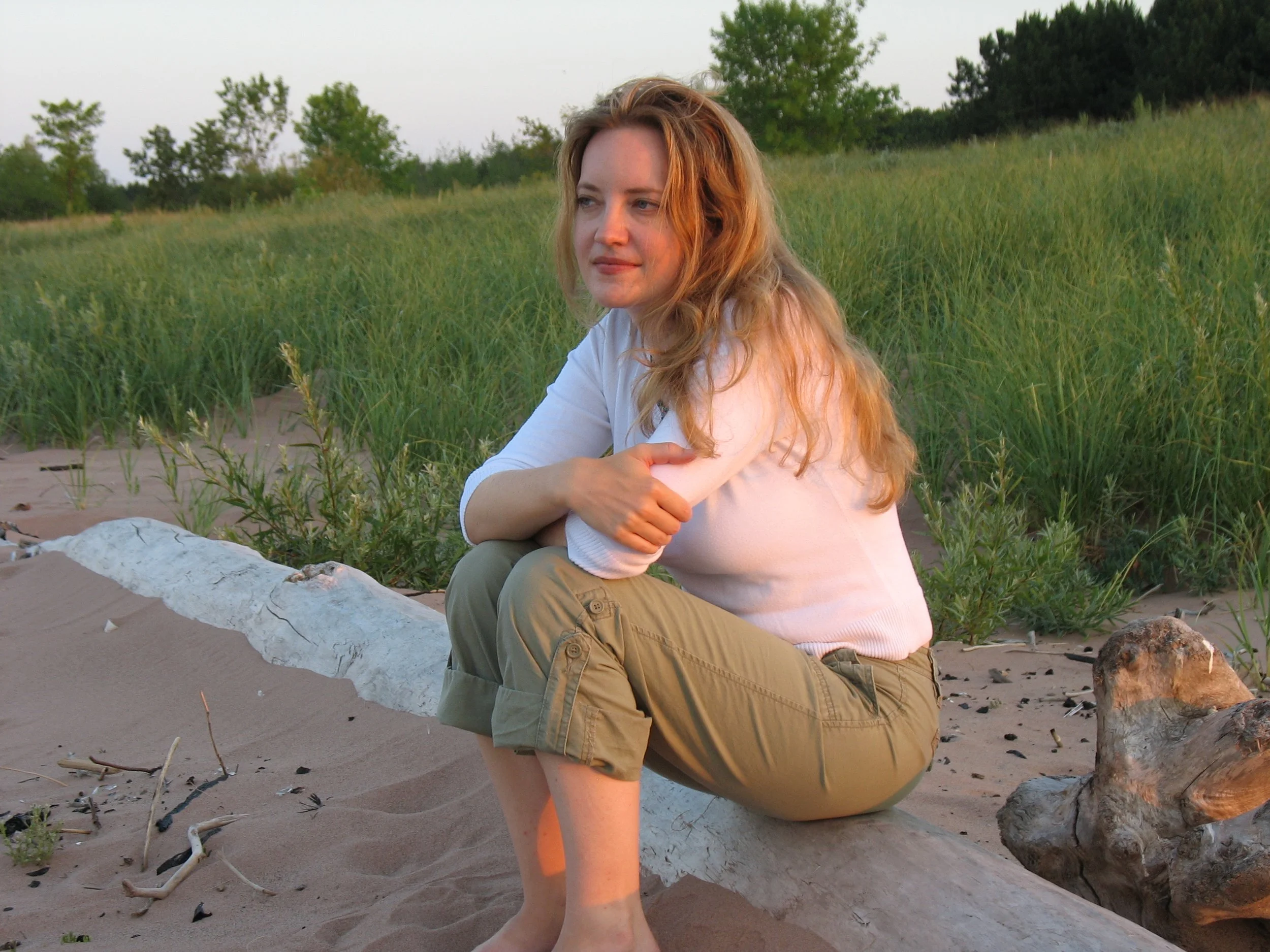
The Story of My Life (so far)
I was born in Grand Rapids, Minnesota, and lived my first almost-seven years in a little yellow house on a dead-end dirt road seven miles north of town. We didn’t have a TV. My mom, who has her master’s in English, tended a massive garden and put up nearly 80 quarts of pickles every year, until I started kindergarten and she went back to teaching. My dad worked at the community college, teaching and directing plays. I learned to cross-country ski on a pair of six-inch wide red plastic skis, to ice skate, to weed a garden, to identify wildflowers, to carry and stack wood for the stove that kept our house heated. Mostly, though, I spent my time with my older brother, inventing worlds and stories. Inspired by our visits to my dad’s theater, we staged plays, charging my parents each a dime to attend performances.

I GAVE MY HEART TO KNOW THIS - THE STORY BEHIND THE BOOK
When I moved to the Lake Superior port city of Superior, Wisconsin, in 2002, after having lived most of my life in landlocked sections of the upper Midwest, I found myself captivated by the landscape of the harbor, the massive docks and ships that continue their work amid ghostly remnants of a more prosperous past. Even as thousand-foot “lakers” and slightly smaller “salties” (oceangoing vessels) bring and pick up cargoes from the ore, coal, grain, and other docks in Superior and her neighboring city of Duluth, Minnesota, around the rusted old grain elevators, warehouses, and docks hovers a sense of opportunities lost, of dust and decay, loneliness and desolation.
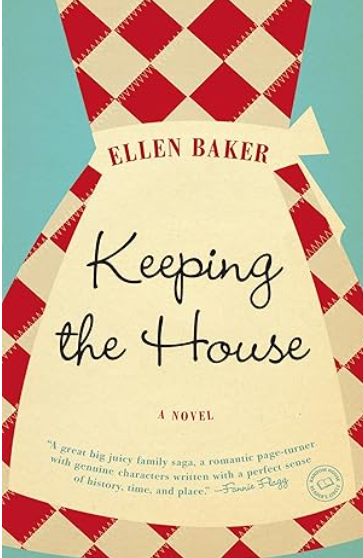
KEEPING THE HOUSE - THE STORY BEHIND THE BOOK
The first seeds of KEEPING THE HOUSE were planted when I was a junior in college and I got a summer internship at a local historical society in Ephraim, Wisconsin, a stunningly beautiful little town on the shores of Green Bay in Door County. There, I began to write a novel, the story of a family called the Mickelsons who had lost a son in World War I. It was 1919, and the Mickelsons came to their summer home in “Stone Harbor, Wisconsin” for the first summer after the war and tried to pretend nothing had happened. I was interested in the process of grieving a violent death, as well as in the workings of denial.
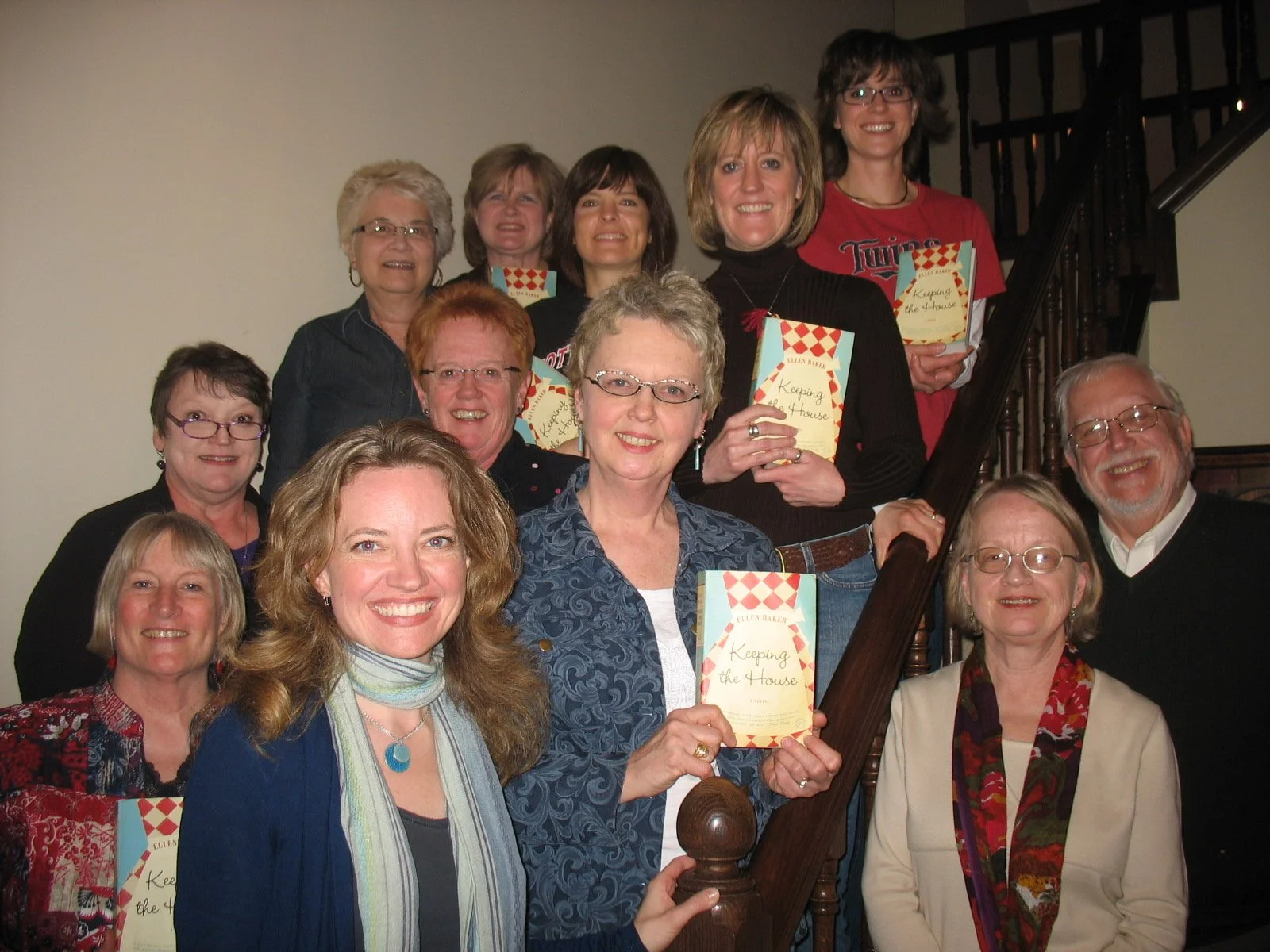
KEEPING THE HOUSE Book Club Discussion Questions
1. In Dolly’s life and the lives of the characters in this novel, the Mickelson house is personified as a character in the book. Why do you think Dolly was initially drawn to the house and intrigued by its history? Also, discuss the different contextual meanings of the title Keeping the House.
2. Mrs. Fryt is very sure that she knows the Mickelsons and their story inside out. Did you believe the stories that she and the other women in the quilting circle told? How did seeing the Mickelson family from both the inside and the outside influence the way you thought of the family? Of the town?