On a perfect July evening in the summer of 2024, I went for a walk around an oceanfront point lined with summer cottages near where I live in Midcoast Maine and spotted a big extended family (I was sure I saw three generations, from ages eight to eighty or so) gathered on the front porch of an old yellow cottage, talking and laughing and snacking.

I knew the cottage sat empty for most of the year, because I walk past it in all seasons, and from the license plates on the cars I could tell that these people had come from all over the country to gather. As I walked past, a next-door neighbor came out of his cottage with a plate of charcuterie and a bottle of wine, heading over to hang out with his summertime neighbors on their porch. The whole scene sparked a thought of what it would be like to gather every year like that – in such an idyllic place, with family and friends you’d see probably only once a year – for the best two weeks of the year in Maine. And then of course, being a novelist, I had to start thinking about all the things that could go wrong.
First, I had to step back and decide who my families, the characters in the novel, would be. I’ve lived year-round in Midcoast Maine for most of the last fifteen years, but as a transplant from the Midwest, I’m still—and will always be—considered “from away.” (Rightly so, it seems to me.) I decided to make my families “from away” like me, so that their experience would be closer to mine.
I also decided to make them, like the family whose cottage I’d walked past that day, “summer people” who’ve been coming to the same cottages for generations. This was a way to stretch my imagination—I have a small family of origin, no kids of my own, and a personal history of something like forty moves. While I’ve loved getting to experience life in many different places, in the process of writing this novel, I also enjoyed imagining a different life, one with a steadier foundation and a beloved place to return to year after year.
Next, I wanted there to be a lot at stake, so I decided that the family would be planning to celebrate three special occasions—a 50th birthday, a 50th anniversary, and a wedding—over the course of three weeks. How things could go dreadfully wrong, I decided, was if the guest of honor at the first event not only didn’t show up but totally vanished.
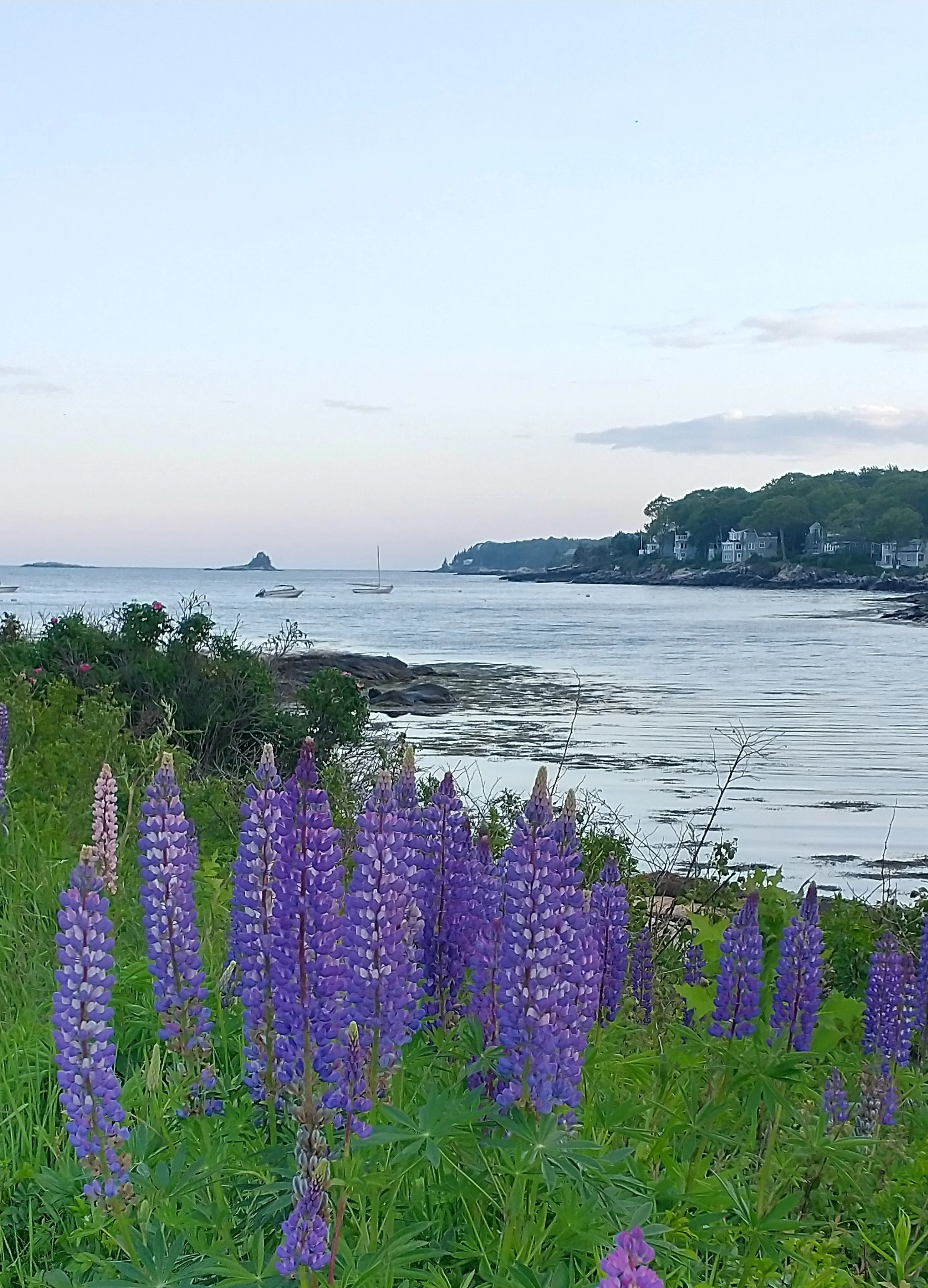
From here, I decided to set my story in 2010, which was the year I first moved to Maine, when spotty cell signal and other factors would allow a person to actually go missing. Then I worked to develop characters who would make the story I wanted to tell not only seem realistic but also unfold in a dramatic way.
David, 50, the guest of honor at the birthday party, is an absent-minded, idealistic, troubled Innocence Project lawyer who hasn’t yet accepted cell phones as a part of life.
Lindy, 48, his wife, obsessed with organizing the three events at her family’s beloved cottage in Maine, has been inattentive to her husband the past few months.
Hailey, 25, their daughter, is the oldest of four, and, on the verge of getting married and starting law school, feels the pressure to be the perfect daughter.
Greta, 81, Lindy’s mother, has spent every summer of her life at her family’s cottage, Innisfree; she has hated it for the last 69 of them, never telling anyone why, but now she’s secretly making plans to sell.
Another factor of life in Maine that I knew would play a role in the story was the warm, friendly communities we have here and the accompanying well-meaning gossip. Having spent most of my life living in small towns, I love writing about community and how who knows what about whom—and when they know it—affects the story.
As I began to write, it turned out that each of the characters provided rich emotional terrain to explore. They allowed me to imagine the experience and consequence of things I haven’t faced myself (having and raising a family of four kids, for example) and to work through others that I have (past trauma, relationship troubles, etc.).
In the process, I found that I returned to questions that have always been of interest to me. What does it mean to belong? How can we measure the effect we have on others or the importance of each individual in the fabric of a community or family? What’s the effect of unhealed trauma across the generations? Is it possible to keep secrets? Is it harmful to? How do you know if you’re marrying the right person? How do you know when you’re saving someone or hurting them? How much do good intentions count?
And what, in the end, does it mean to find the way home?