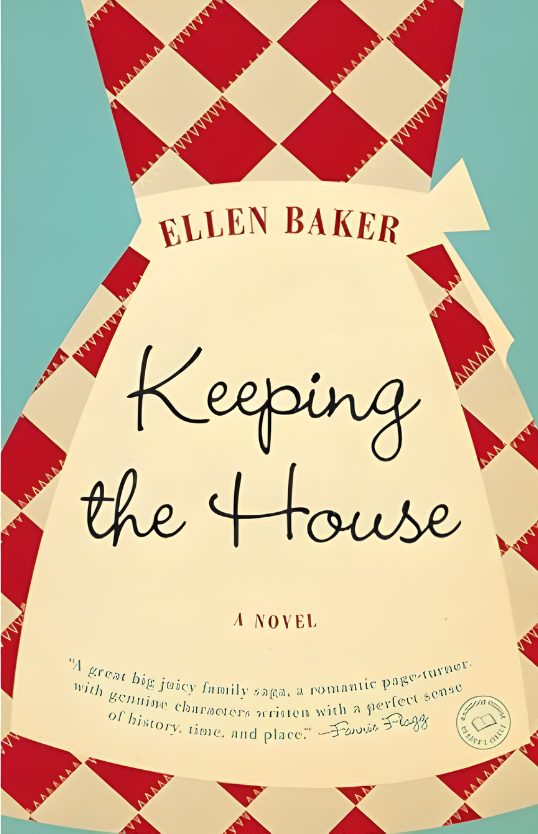
Keeping the House
BY ellen baker
In 1950, new bride Dolly Magnuson finds making marriage work is harder than it looks in the pages of the Ladies’ Home Journal and loses herself to dreams of the vacant house on the hill and the stories of the family that lived there. “An unforgettable novel about small-town life and big matters of the heart.”
"Ellen Baker's first novel is a wonder! Keeping the House is a great big juicy family saga, a romantic page-turner with genuine characters written with a perfect sense of history, time and place."
- Fannie Flagg
Winner, Great Lakes Book Award
A Chicago Tribune Best Book of the Year
An Insider Discovery of the Literary Guild
Featured Selection, Doubleday Book Club
A BookSense Notable Book
A Midwest Connections Pick
A Heartland Indie Bestseller
Featured Selection, Random House Reader’s Circle
GET YOUR COPY
ABOUT THE BOOK
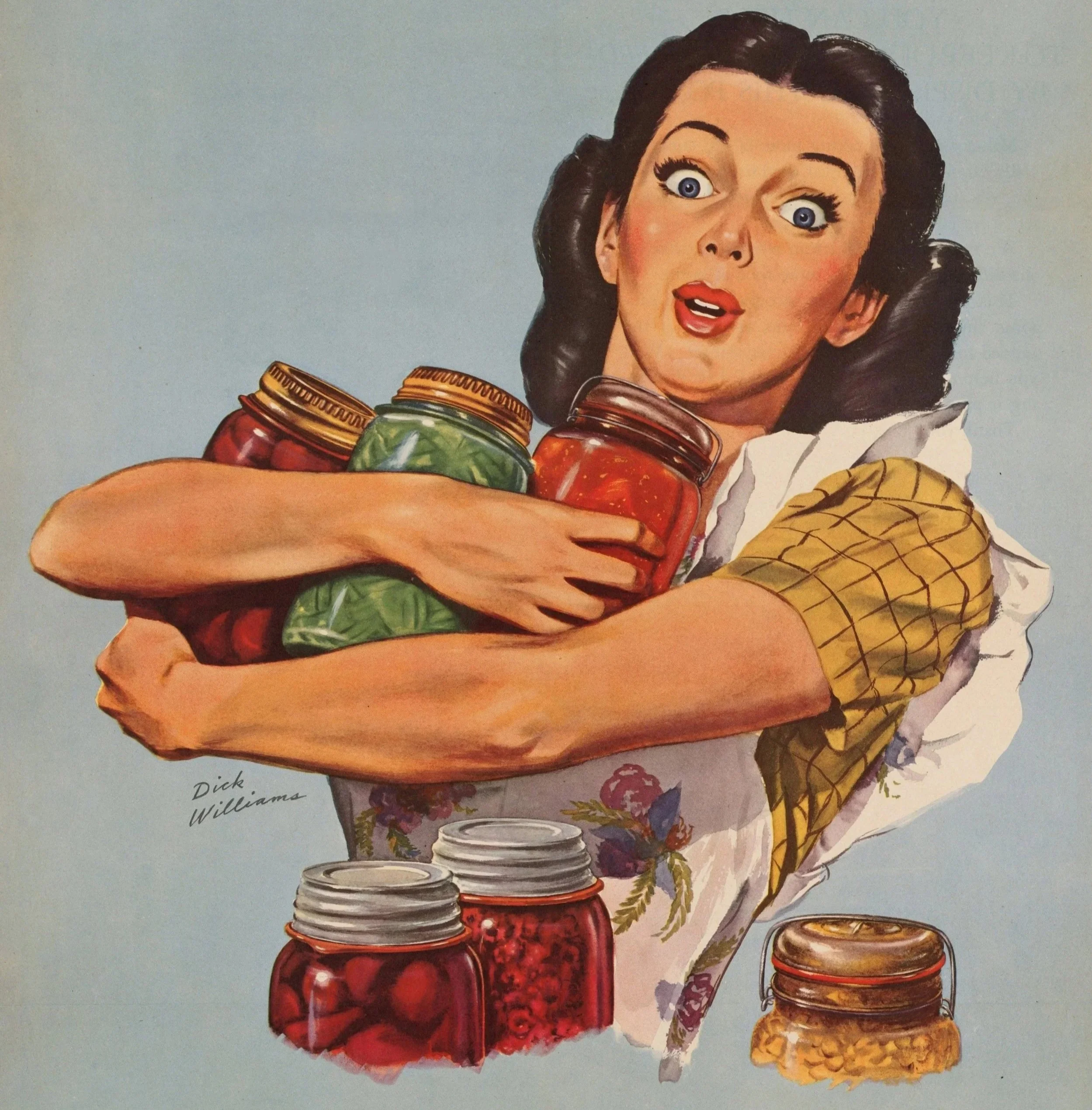
When Dolly Magnuson moves to Pine Rapids, Wisconsin, in 1950, she discovers all too soon that making marriage work is harder than it looks in the pages of the Ladies’ Home Journal.
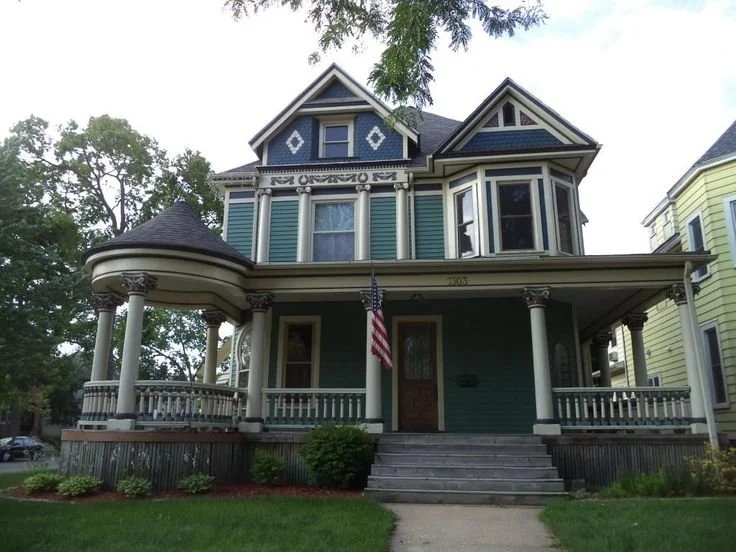
Dolly tries to adapt to her new life—keeping the house, supporting her husband’s career, fretting about dinner menus. She even gives up her dream of flying an airplane, and instead tries to fit in at the stuffy Ladies Aid quilting circle. Soon, though, her loneliness and restless imagination are seized by the vacant house on the hill, and she begins to lose herself in piecing together the shocking story of three generations of Mickelson men and women: Wilma, who came to Pine Rapids as a new bride in 1896, and fell in love with a man who was not her husband; her oldest son, Jack, who fought as a Marine in the trenches of the First World War; and Jack’s son, JJ, a troubled veteran of World War II, who returns home to discover Dolly in his grandparents’ house.
As the crisis in Dolly’s marriage escalates and she seeks answers from JJ’s stories of his family’s past, KEEPING THE HOUSE moves back and forth in time, exploring themes of wartime heroism and passionate love, of the struggles of men with fatherhood and war, of women with conformity, identity, forbidden dreams and love.
Rich in period atmosphere and in 1950s detail, KEEPING THE HOUSE illuminates the courage it takes to shape and reshape a life, and the difficulty of ever knowing the truth about another person’s desires. KEEPING THE HOUSE is an unforgettable novel about small town life and big matters of the heart.
Praise for Keeping the House
“Ellen Baker has written the novel I've been waiting to read for a very long time. It's the book you want to curl up with, the book you rush home to, the book you wish you'd written. In KEEPING THE HOUSE Ellen Baker serves up the complexities of family relationships, the anguish of victims of wars, the innermost thoughts of women, and the social mores of the past. Seasoned with mysteries that kept me devouring pages, this is one huge gourmet feast of a book for readers to savor.”
- Bev Marshall
"A born storyteller, Ellen Baker has written an enthralling family saga filled with three generations of memorable characters and capturing the dreams and frustrations of twentieth century women. Wonderful, spot-on historical detail."
- Faith Sullivan
"Brimming with luscious details that authenticate the story's various time periods, from early to mid-twentieth century, Baker's accomplished, ambitious debut novel is a majestic, vibrant multigenerational saga in the finest tradition of the genre."
- Booklist
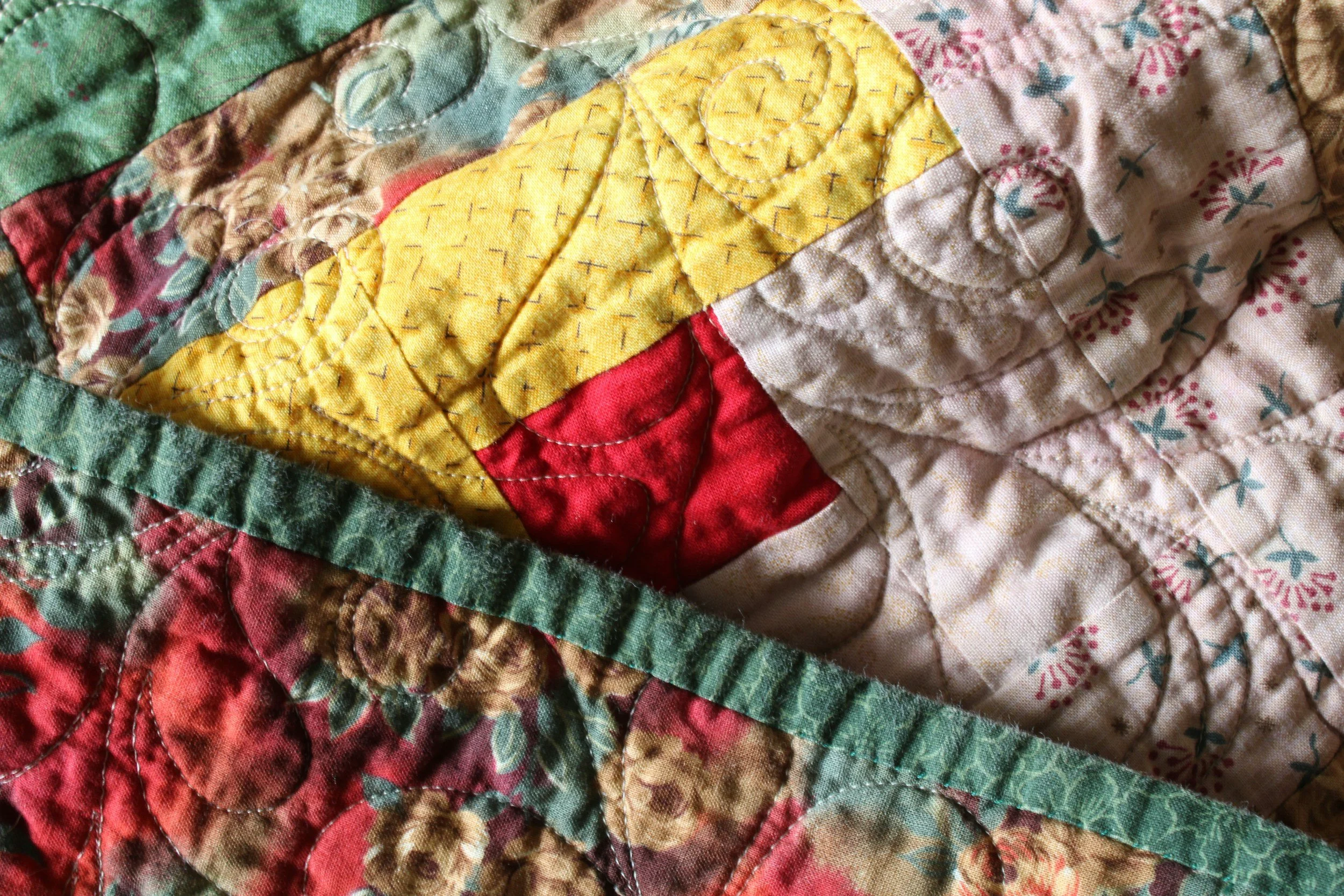
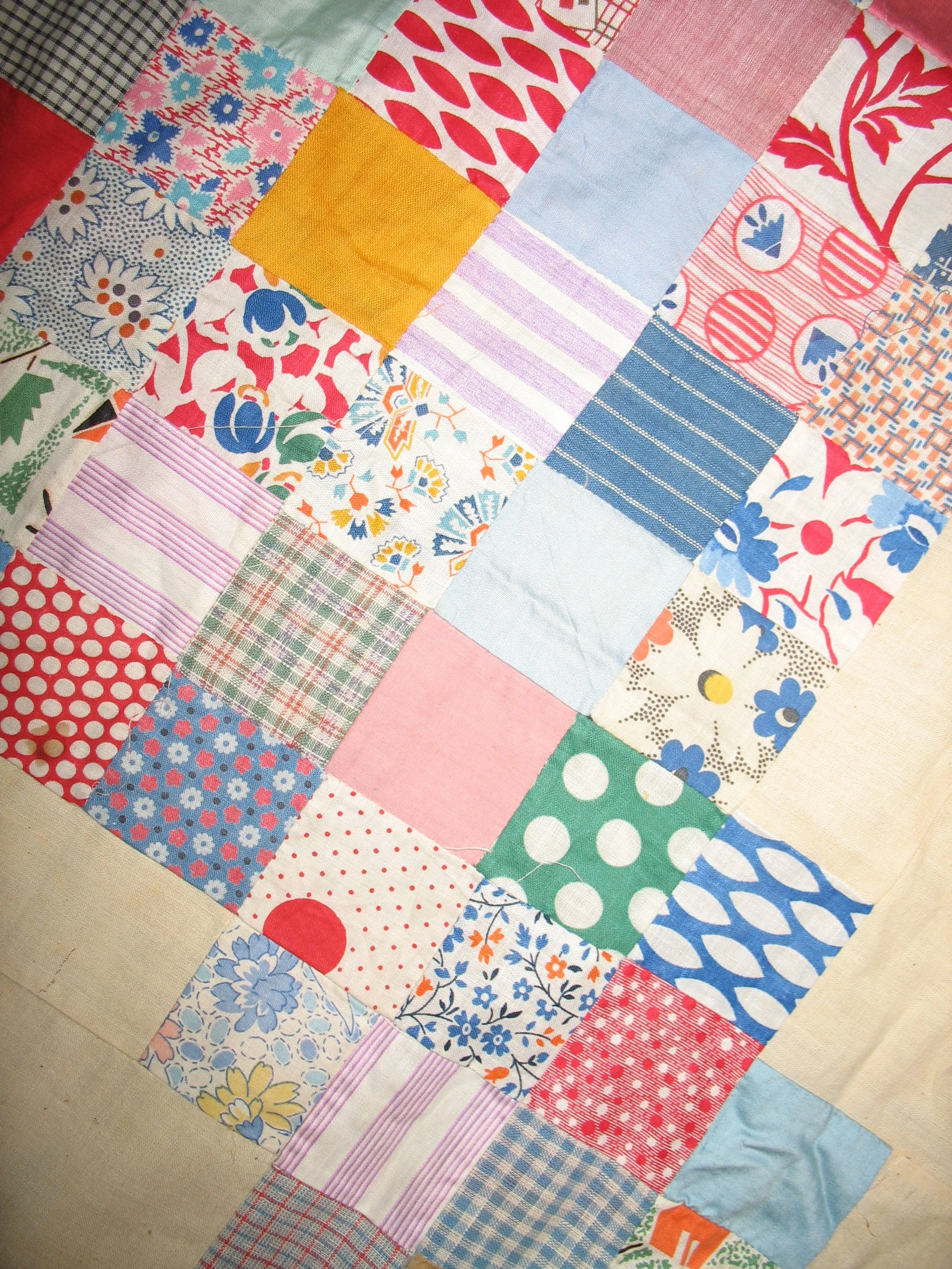
"Ellen Baker’s first novel, KEEPING THE HOUSE, is a quilt that grids a small Midwestern town in the middle of the last century. Under this writer’s deft hands, each square is a story, a mystery, an indiscretion, a tale of the great house and grand family who once ruled there. Even more, it captures the roles of women then, living embodiments of demure ideals, and those who couldn’t fit the pattern. Edith Wharton’s novels of domestic despair and display come to mind with each page."
- Jacquelyn Mitchard
"A family saga spanning 50 years is truly a grand accomplishment -- especially when executed as beautifully as Ellen Baker's KEEPING THE HOUSE. From the very first page I was so effortlessly drawn under the spell of her authentic characters and wonderful storytelling that I found myself becoming petulant whenever real life vied for my attention... a superb debut from a bright new talent."
- Book-of-the-Month Club
"I absolutely loved KEEPING THE HOUSE and will say that it has become one of my favorite books I have ever read. I loved the character and plot development and the periods in which the story was set... Rich in detail...thought provoking and moving. An edge-of-your-seat gripping tale of family secrets and love lost and won."
- Planet Books

THE STORY BEHIND THE BOOK
The first seeds of KEEPING THE HOUSE were planted when I was a junior in college and I got a summer internship at a local historical society in Ephraim, Wisconsin, a stunningly beautiful little town on the shores of Green Bay in Door County. There, I began to write a novel, the story of a family called the Mickelsons who had lost a son in World War I. It was 1919, and the Mickelsons came to their summer home in “Stone Harbor, Wisconsin” for the first summer after the war and tried to pretend nothing had happened. I was interested in the process of grieving a violent death, as well as in the workings of denial. When I created Jack Mickelson, a young Marine just back from the trenches, I also became interested in what during World War I was called “shell shock,” and what we now call Post-Traumatic Stress Disorder (PTSD).
After college, I spent a year working at a living history farm called The Homeplace, located near Dover, Tennessee. Here, I learned how to quilt by hand, and spent many hours gathered around the quilt frame with my co-workers trading stories and gossip. Then it was on to grad school at the University of Minnesota in Minneapolis. I was in the American Studies department, and my focus was on ideas about marriage, gender identity, sexuality, and nationalism during the early 20th century, especially during World War I. Leaving grad school with a master’s in 2000, I went back to Ephraim, Wisconsin, to work ¾-time at the historical society, determined to devote every bit of my spare time to revising my novel about the Mickelsons.
But on my spring break trip that March of 2000, I met Jay Baker, a soldier in the 101st Airborne, stationed at Fort Campbell, Kentucky. He was only 21, and he told me before I left to drive back north that he had fallen for me. “Head over heels, I think is the term,” he said, with an endearing humility and a little laugh.
Book Club Discussion Questions
Want to dive deeper? Click here for book club discussion questions for Keeping the House.
GET YOUR COPY
Available in hardcover, paperback, and audio